
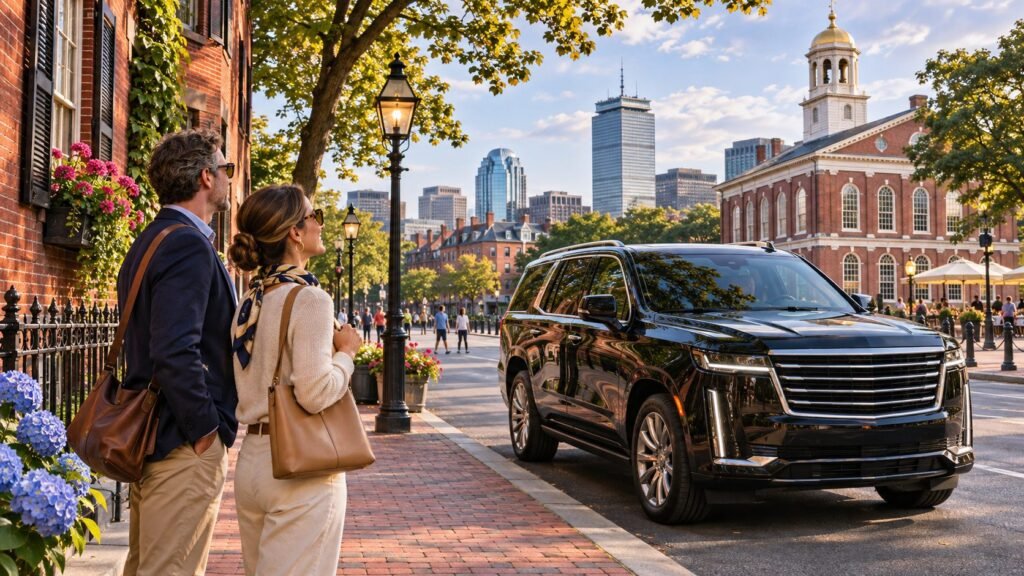
A private Boston city tour works best when you choose a few priorities, group nearby activities, and leave time outside the vehicle. A car can connect neighborhoods, hotels, and meeting points, but the experience still depends on walking, attraction access, meals, and the interests of the people traveling. A thoughtful itinerary is more useful than a long list of landmarks squeezed into a short booking.
This guide shows how to build a flexible sightseeing outing with chauffeur-driven transportation. The sample structure is an example for planning, not a fixed tour package, a guaranteed duration, or a promise that every attraction can be reached by car. Confirm your chosen stops and the quoted service with the transportation team before booking.
Start with what your party wants to experience
Ask each traveler to name one thing that would make the day worthwhile. For some visitors, it is historic Boston and time to explore on foot. For others, it is architecture, a relaxed lunch, a waterfront view, or a campus visit. Those priorities point toward different routes and different amounts of time at each stop.
Separate essential activities from optional ones. If you have a museum ticket, a campus appointment, or a restaurant reservation, record the entry or arrival time. A photograph stop can be moved more easily than a timed visit. The chauffeur should know which commitment takes priority if traffic or another delay affects the order of the day.
A useful itinerary also describes who is traveling. Families with small children, visitors with limited walking tolerance, and guests carrying luggage may prefer fewer stops and a different pace. Share those needs when requesting private Boston city-tour transportation, rather than trying to adjust the whole plan at pickup.
Decide what the vehicle is doing between stops
Discuss whether the vehicle needs to remain available throughout the outing or whether you want separate transfers between longer visits. If everyone will spend several hours inside an attraction, the transportation arrangement may differ from a sightseeing route with a series of short stops.
An hourly booking can be worth discussing for a connected itinerary. Ask what the reserved block includes, where the vehicle can wait, and how passengers will contact the driver when ready. Continued availability should be described in the confirmation instead of assumed from the word “tour.”
Keep guiding and admission arrangements clear. Transportation may help you reach an attraction, but the quoted service should specify whether any guide, tickets, or other elements are included. If you want specialist historical commentary or a guided walking experience, arrange and confirm that separately where needed.
A flexible first-visit itinerary
The following sequence is one way to organize a day. Its purpose is to help you group decisions, not prescribe an exact driving route. Your hotel, the opening hours of chosen attractions, traffic, and the party’s pace may make another order more practical.
1. Begin with a hotel pickup and a short itinerary review
Use the property’s full name and street address and confirm its vehicle entrance. Before departure, review the essential stops, the expected finish, and the final destination. Make sure one passenger can receive messages and communicate changes to the chauffeur.
If travelers join from different hotels, include each pickup in the reservation. A second pickup takes time and may affect the seating and luggage plan. It should be part of the initial itinerary rather than a surprise addition after the vehicle arrives.
2. Choose a central Boston walking or scenery stop
The Public Garden and Back Bay area may suit visitors interested in city scenery and architecture. Beacon Hill or a selected historic site may suit a party focused on older streets and Boston history. Choose a specific place to leave the vehicle and a practical point for meeting again.
Do not count a walking stop only as time spent taking photographs. Include getting out of the vehicle, reaching the place you want to see, enjoying it, and returning to the meeting point. That makes the schedule more realistic and reduces pressure to rush.
3. Add an activity with a different pace
After a walking stop, consider a meal, a waterfront visit, or another activity that offers a change of pace. If the North End or Seaport is on your list, use the exact restaurant or destination address and any reservation time. Neighborhood names are useful for planning but do not replace a specific meeting location.
Leave one activity optional. A party that enjoys a longer lunch or wants more time at a museum should not have to abandon a fixed airport or evening deadline to preserve a sightseeing checklist. An optional stop gives the day useful flexibility.
4. Consider Cambridge only when it fits the plan
A Cambridge visit can work well if a university, a business meeting, or a particular attraction is a priority. Provide the actual visitor address and any check-in instructions. “Harvard” or “MIT” alone is not a complete drop-off request because a campus includes many possible destinations.
Ask whether adding the stop still leaves enough time for the rest of your day. It can be more enjoyable to give a campus visit its own time than to fit it between several unrelated activities. The route should serve the trip’s priorities, not a need to cover as many place names as possible.
5. Finish near the next commitment
Choose the end of the tour around what happens afterward: a return to the hotel, a dinner reservation, an event, or an airport departure. Tell the provider if the finish differs from the original pickup address. A clear end point helps the team assess the complete transport requirement.
Make room for walking and access needs
Boston sightseeing often combines time in a vehicle with time on foot. For historic areas, review access information before choosing stops. The Freedom Trail Foundation provides guidance about walking surfaces and access, and individual attractions can explain their entrances and visitor arrangements.
Describe mobility equipment, assistance requests, and walking preferences to the transportation provider. Confirm what the actual vehicle and service can accommodate. A private-car booking does not by itself establish that every stop, vehicle, or historic entrance meets a particular access need.
Families should count strollers and bags as part of the luggage load and request any child seats before booking. Plan where a break makes sense and avoid building every stop around the adults’ walking pace. Fewer activities can make room for everyone to enjoy the day.
Check attractions independently
Use official attraction websites to confirm opening hours, admission, reservations, and any event-specific restrictions. A transport itinerary does not reserve entry to a museum or a place on a guided tour. Keep the relevant booking information available to the person coordinating the day.
If visiting Freedom Trail sites, the Foundation’s visitor resources can help you choose which places to explore. Treat a walking route and a driving itinerary as complementary parts of the visit. Agree where the vehicle will meet the party after the selected walking section.
Adding sightseeing after an arrival or before a flight
If your day begins at Logan, share the flight number and allow for the time until the party is ready to meet the vehicle. Baggage collection and arrival formalities can change the beginning of the itinerary. Ask how the reservation handles a flight delay before committing to a timed attraction soon after landing.
If the day ends with a flight, preserve the airport arrival time recommended by your airline. Work backward to establish when sightseeing must stop and how much return travel margin is needed. Read our Logan layover planning guide if the outing falls between flights.
Also discuss luggage. Tell the team what travels with you and confirm the vehicle space and arrangements while the party visits an attraction. Do not assume bags can be left in an unattended vehicle under any circumstances without discussing the provider’s procedure.
What to include in a city-tour request
- Travel date, hotel or other pickup address, and your preferred start time.
- Passenger count, luggage, requested child seats, and any assistance needs.
- Two or three essential interests and any optional stops.
- Timed attractions, dining reservations, campus visits, or other fixed commitments.
- The expected finish, final destination, and any flight connection.
- Whether you need continued vehicle availability or separately scheduled journeys.
Ask for the complete quote and confirm waiting, parking, changes, and any minimum service duration. Our quote comparison guide helps you organize those questions, and the fleet page can help start a conversation about vehicle space.
Turn your interests into a practical Boston outing
A good private city tour has room for the city and the people visiting it. Clear priorities, realistic stops, and a confirmed meeting procedure make the itinerary easier to follow. The goal is to enjoy the places you choose, not race through a list of names.
Send Boston Airport Ride your proposed outing or request a reservation. Include the time outside the car as well as the destinations so the team can help plan transportation around the whole experience.